
Dental hygieneWarsaw
Professional dental hygiene is the foundation of oral health and the most effective way to prevent cavities, gum disease, and tooth loss. At NW Dental Clinic in Ursynów, we offer comprehensive hygiene treatments that not only restore the freshness and aesthetics of your smile but also support orthodontic, prosthetic, and implantological treatment. Our team of hygienists and dentists works using the latest technologies, ensuring effectiveness and comfort for every patient.
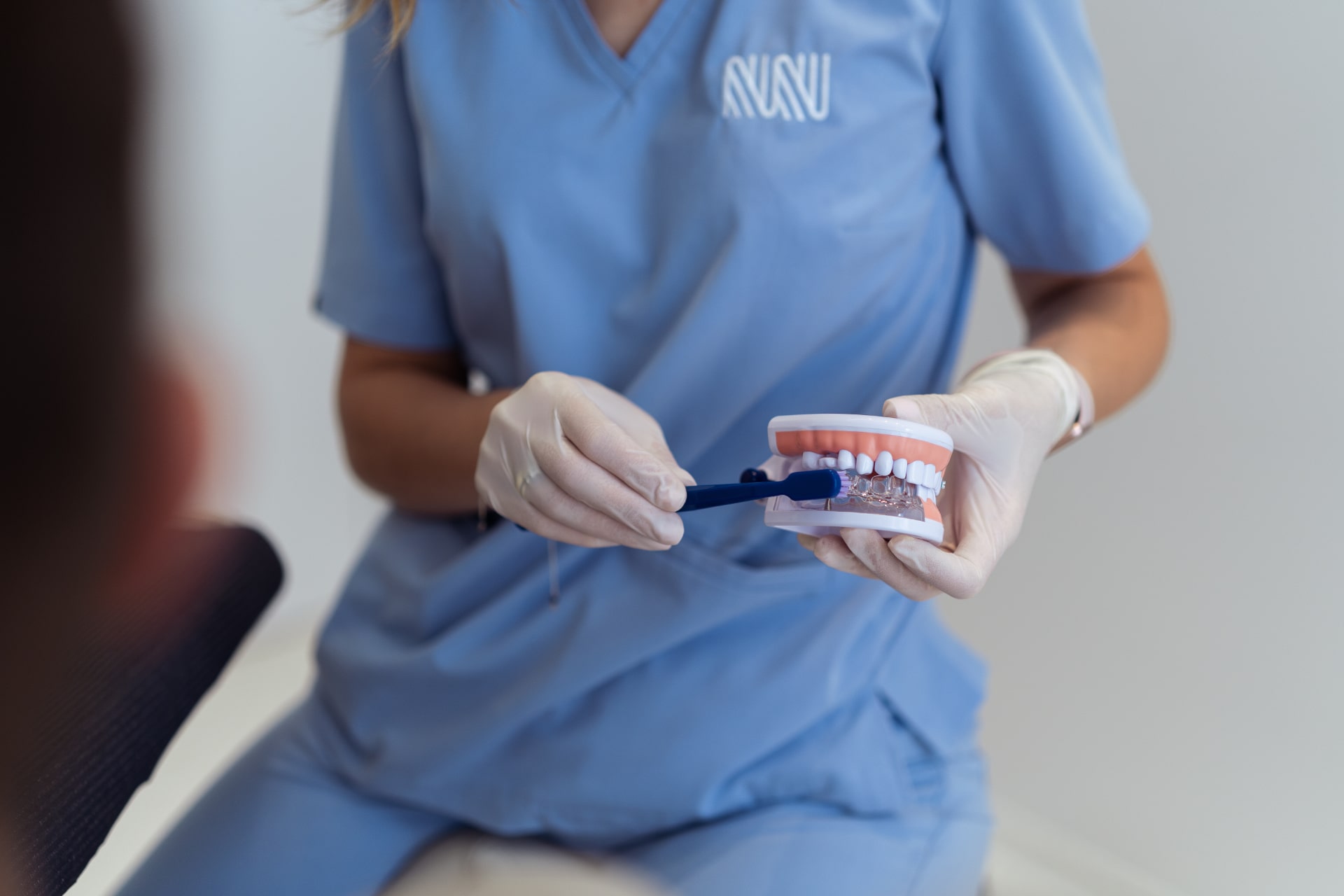
What is professional dental hygiene?
Dental hygiene is a set of specialized procedures performed in a dental office, aimed at the thorough removal of tartar, bacterial plaque, and stains. Hygiene includes ultrasonic scaling, sandblasting, polishing, and fluoridation. These procedures not only improve the appearance of the teeth but, above all, protect against the development of cavities, periodontitis, and bad breath. Regular hygiene is essential for maintaining oral health, especially for people with orthodontic appliances, implants, or a tendency for tartar buildup.
Who should regularly use hygiene treatments?
Hygiene treatments are indicated for everyone – regardless of age or dental condition. We especially recommend them to people with periodontal diseases, patients after orthodontic or implant treatment, smokers, and people with a tendency for rapid tartar buildup. Hygiene is also a mandatory element of preparation for teeth whitening, prosthetic, or surgical treatment. Systematic hygiene visits allow for early detection of abnormalities and avoid costly corrective procedures in the future.
01 Ultrasonic scaling
Removes hard tartar, preventing gum inflammation and periodontitis.
02 Sandblasting
Eliminates stains from coffee, tea, wine, or cigarettes, restoring the natural color of the teeth.
03 Polishing and fluoridation
Smoothes the tooth surface and strengthens the enamel, reducing the risk of cavities and sensitivity.
How does the dental hygiene procedure work?
01
Oral health assessment
The hygiene process begins with a thorough assessment of oral health and the individual needs of the patient.
02
Scaling
Next, the hygienist performs ultrasonic scaling, which is the removal of hard tartar deposits from the tooth surface and below the gum line.
03
Sandblasting
The next stage is sandblasting – removing deposits and stains using a stream of fine powder and water under pressure.
04
Polishing
After cleaning the teeth, polishing follows, which smoothes the enamel surface and makes it harder for bacterial plaque to settle again.
05
Fluoridation
Finally, fluoridation is applied to strengthen the enamel and protect against cavities. The entire procedure lasts from 45 to 60 minutes and is painless – if necessary, we use local anesthesia for patients with sensitivity.
What are the most important benefits of regular hygiene?
Dental hygiene is not only a matter of aesthetics but, above all, an investment in oral health for years to come. Here is what you gain through regular treatments:
Protection against periodontal diseases
Removing tartar and bacterial plaque prevents the development of gum inflammation and periodontitis.
Reduced risk of cavities
Clean teeth are less susceptible to the action of cariogenic bacteria and acids.
Fresh breath and an aesthetic smile
Removing deposits restores the teeth’s natural brightness and eliminates the problem of bad breath.
Enamel strengthening
Fluoridation makes the enamel harder and more resistant to damage.
Early detection of cavities
During the procedure, the hygienist may notice small changes that require intervention by a doctor.
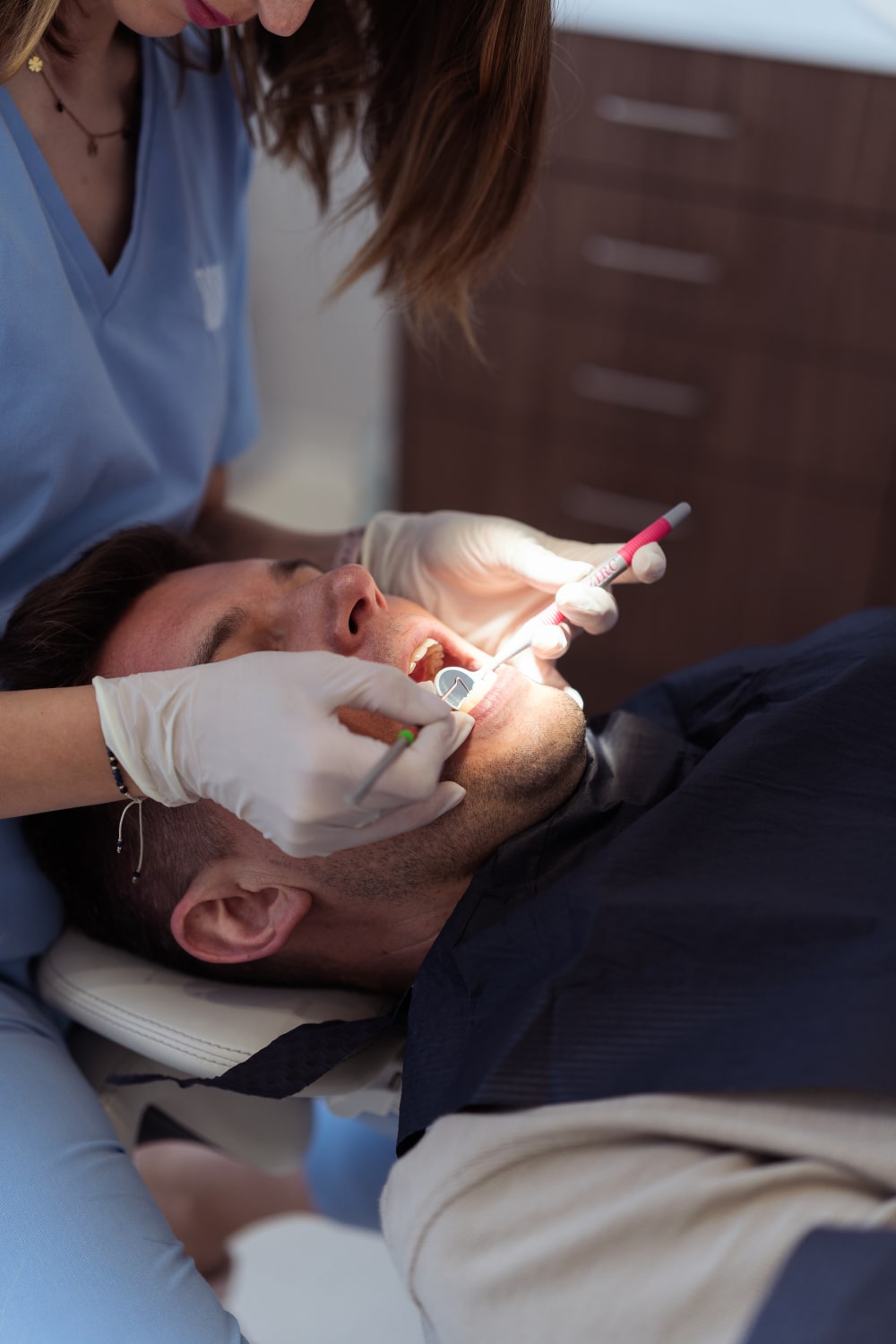
Professional hygiene at Nowak | Wołcz Dental Clinic Warsaw – price list
At NW Dental Clinic, we focus on transparency and the highest quality of services. The price of hygiene depends on the chosen package and the individual needs of the patient (e.g., the degree of tartar). Our standard hygiene package includes comprehensive cleaning and prevention, ensuring the best value for money. Below we present the approximate costs of the procedures:
- Dental hygiene / GBT protocol hygiene
FAQ
Najczęstsze pytania o higienizację zębów
Higienizacja zębów to temat, który budzi wiele pytań naszych pacjentów. Oto kilka z nich, które często pojawiają się w naszej praktyce:
01 Czy higienizacja zębów może wpłynąć na wrażliwość szkliwa?
Po zabiegu niektórzy pacjenci mogą odczuwać przejściową nadwrażliwość, szczególnie na zimno lub słodkie. Objaw ten zwykle ustępuje po kilku dniach, a regularna higienizacja wręcz zmniejsza długoterminową wrażliwość dzięki usuwaniu kamienia i wzmacnianiu szkliwa.
02 Jak często należy wykonywać profesjonalną higienizację?
Standardowo zalecamy zabieg co 6 miesięcy, ale u osób z chorobami przyzębia, aparatami ortodontycznymi lub zwiększoną skłonnością do odkładania kamienia może być konieczna częstsza higienizacja – nawet co 3–4 miesiące.
03 Czy można wykonać higienizację podczas ciąży?
Zabiegi higienizacyjne są bezpieczne w ciąży i wręcz zalecane, ponieważ w tym okresie wzrasta ryzyko zapaleń dziąseł i próchnicy. Warto poinformować higienistkę o ciąży przed zabiegiem.
04 Czy higienizacja zębów usuwa wszystkie przebarwienia?
Zabieg skutecznie usuwa przebarwienia powierzchniowe, jednak głębokie zmiany koloru szkliwa mogą wymagać dodatkowych zabiegów wybielających lub estetycznych.
05Czy po higienizacji można od razu jeść i pić?
Zalecamy wstrzymać się z jedzeniem i piciem barwiących napojów przez minimum 2 godziny po zabiegu, aby umożliwić pełne działanie preparatów fluorkowych i utrzymać efekt czystości na dłużej.