
Root canal treatment Warsaw
Modern endodontics offers a chance to save even severely damaged teeth and avoid extraction. Thanks to modern technologies, root canal treatment allows for effective and comfortable pain relief, preservation of your natural teeth for many years, and restoration of full oral functionality.
Discover how microscopic endodontics has changed the face of root canal treatment and why it is worth trusting our specialists at Nowak | Wołcz Dental Clinic Warsaw Ursynów.
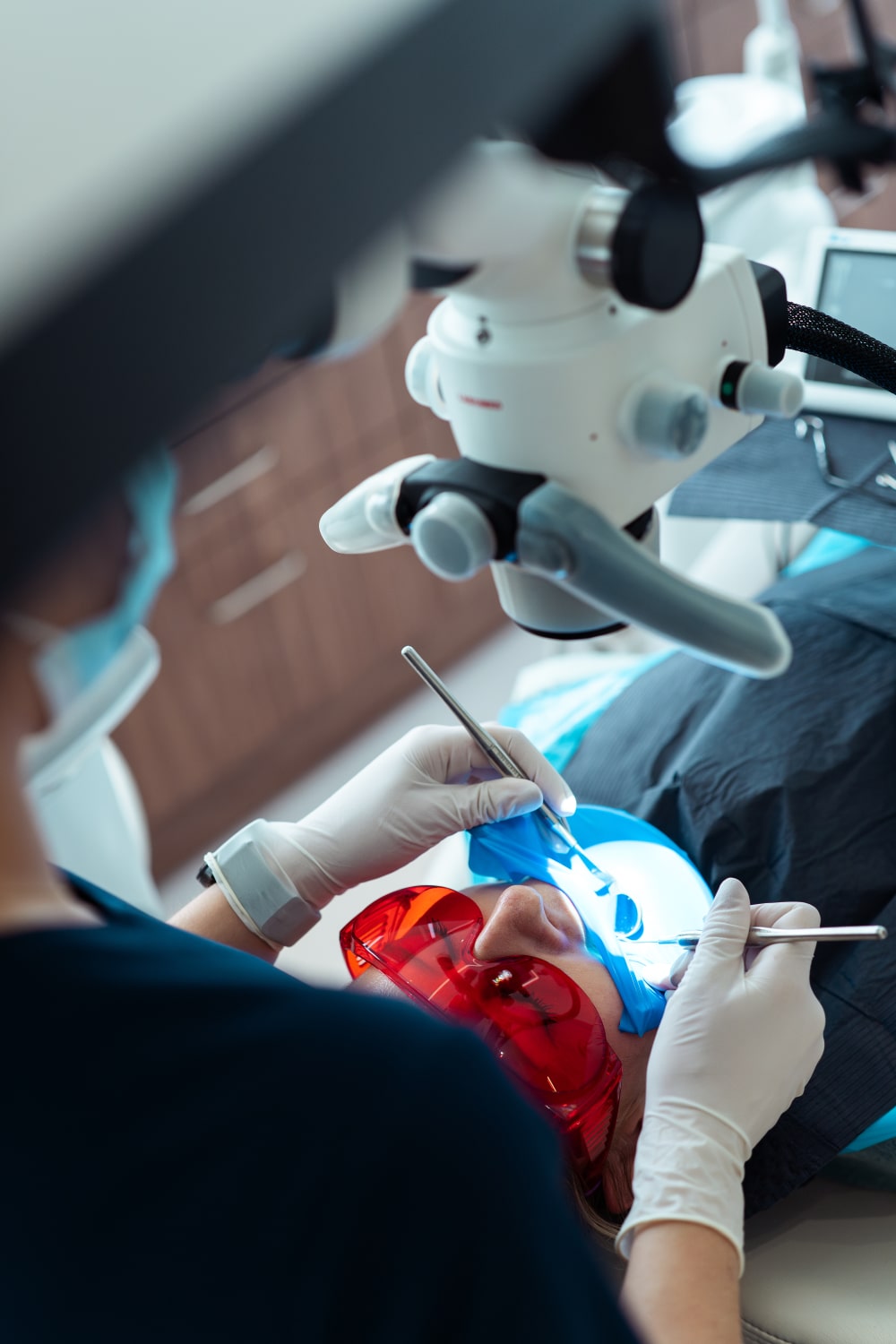
What endodontic treatments
do we perform?
Endodontics is a field of dentistry focused on the treatment of diseases of the dental pulp and periapical tissues. In our clinic in Warsaw, we offer a wide range of procedures that allow us to effectively save teeth even in very difficult cases.
01 Primary root canal treatment
This is a basic procedure involving the removal of infected or dead pulp from inside the tooth, thorough cleaning and widening of the root canals, and then tightly filling them with a chemically neutral material. This allows us to eliminate the source of infection and restore the tooth to full function.
02 Root canal treatment under a microscope (microscopic endodontics)
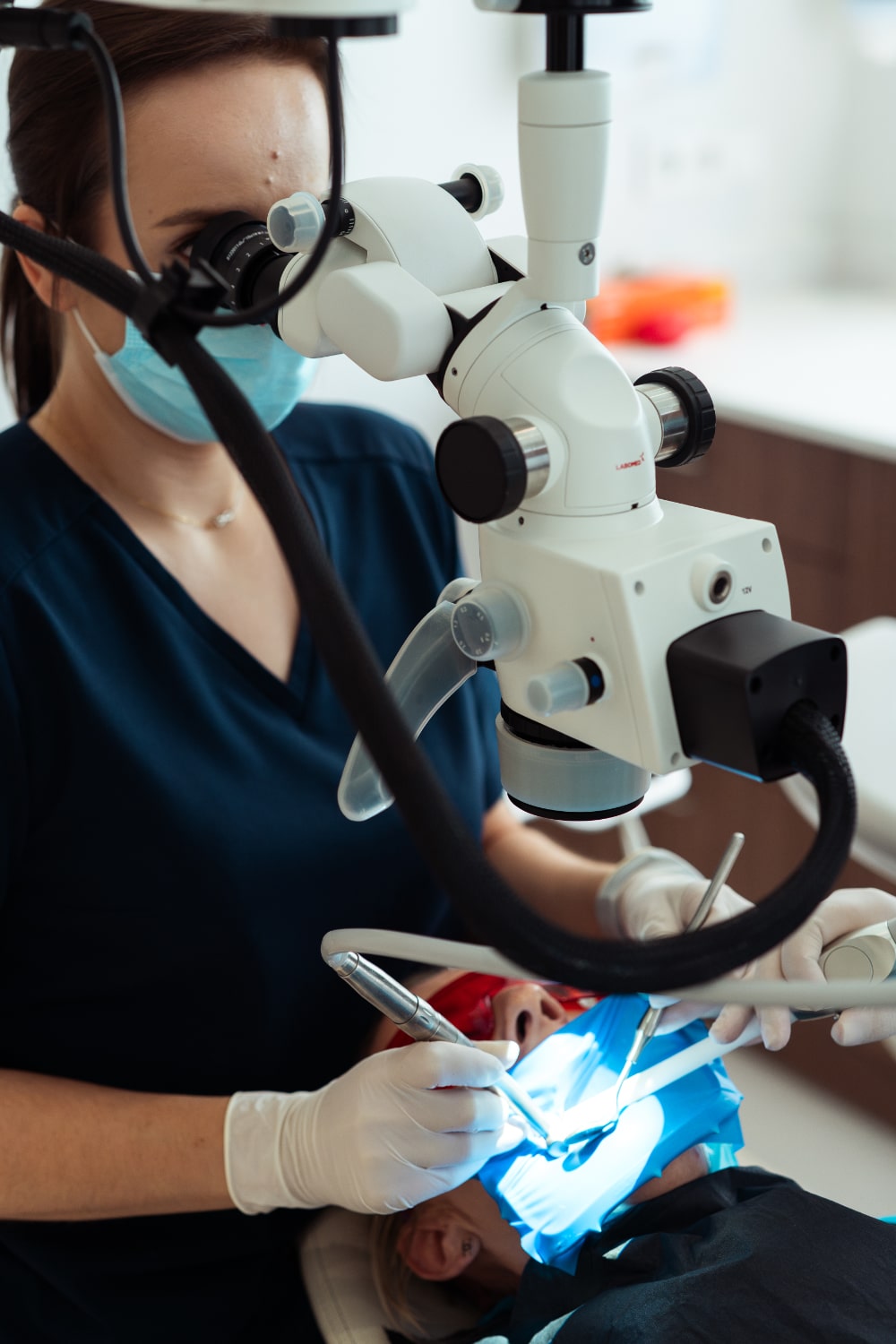
The use of an operating microscope allows for high magnification of the treatment area, making it possible to locate even very narrow, curved, or additional root canals. As a result, the procedure is much more effective and the risk of complications is minimized.
03 Root canal retreatment (secondary endodontic treatment)
In the event of a previous treatment failure, we perform retreatment – removing old fillings, cleaning the root canals, and sealing them with new material. This is often the last chance to save the tooth without the need for extraction.
04 Removal of broken instruments and post-and-core restorations
Thanks to the use of a microscope, we are able to precisely remove instruments left inside the root canal or old posts that prevent proper treatment and may cause chronic inflammation.
05 Treatment of teeth with obliterated, calcified, or curved root canals
Advanced microscopic techniques allow for effective treatment of even the most complex anatomical cases, including teeth with unusual root canal anatomy or calcified canals.
06 Tooth restoration after root canal treatment
After completing root canal treatment, we restore the tooth – from aesthetic composite fillings and fiberglass posts to prosthetic crowns in the case of severely weakened teeth.
How does root canal treatment under a microscope proceed in our clinic?
Każdy zabieg leczenia kanałowego to proces, który dzielimy na kilka kluczowych etapów, aby zapewnić najwyższy poziom bezpieczeństwa i skuteczności.
01
Diagnosis and treatment planning
At the beginning, we perform detailed diagnostics – X-rays or CBCT tomography, which allow us to assess the condition of the tooth, the number and course of canals, and the severity of inflammatory changes. Based on this, we prepare an individual treatment plan.
02
Anesthesia and tooth isolation
The procedure is performed under local anesthesia, making it virtually painless. We isolate the tooth with a rubber dam – a special rubber membrane that protects against saliva and bacteria and increases patient comfort.
03
Preparation of access to the canals
We remove caries and rebuild missing tooth walls, then create access to the tooth chamber. The microscope allows us to precisely locate all canals, including unusual or additional ones.
04
Cleaning and disinfection of canals
Using specialized manual and mechanical tools, as well as disinfectants, we thoroughly clean and widen the root canals. The microscope enables us to control every stage and minimizes the risk of missing any fragment.
05
Filling the canals
After drying the root canals, we tightly fill them with a neutral material, most often warm gutta-percha. This is a key stage that determines the long-term success of the treatment.
06
Tooth restoration and radiological follow-up
Finally, we restore the tooth with a composite material or place a post and crown. We also take a follow-up X-ray to confirm proper root canal filling and rule out any possible complications.
Why is it worth choosing root canal treatment at Nowak | Wołcz Dental Clinic?
By choosing root canal treatment in Warsaw at our clinic, you can be sure that you are benefiting from the most advanced endodontic solutions. We work exclusively with proven, certified equipment – operating microscopes, apex locators, rotary and hand instruments allow us to achieve the highest precision and treatment effectiveness. We focus on an individual approach – each case is analyzed in detail, and the optimal treatment method is selected according to the tooth anatomy and the patient’s needs. Our team consists of experienced endodontists who regularly improve their qualifications through training courses in Poland and abroad.
We care about the patient’s comfort at every stage – effective anesthesia, modern diagnostics, and empathetic care make even the most demanding treatments carried out in a friendly atmosphere. Thanks to the use of a microscope, we are able to save teeth that would once have been qualified for extraction, and treatment can often be completed in a single visit, saving your time. All procedures are performed in accordance with current standards and guidelines, ensuring safety and long-lasting results. Our goal is not only effective treatment, but also the restoration of full functionality and aesthetics of your smile.
Price list of root canal treatment at Nowak | Wołcz Dental Clinic Warsaw
The cost of root canal treatment depends on the number of canals, the complexity of the procedure, and the materials and technologies used. Each patient receives a detailed cost estimate before treatment begins, allowing for proper financial planning and avoiding unexpected expenses. The current price list is available at our reception desk and on our website – below we present approximate prices for root canal treatment:
- Consultation
- Consultation with CBCT
- Glass fiber post
- Primary root canal treatment
- Retreatment root canal therapy
Meet our doctors performing root canal treatment
Our team consists of qualified endodontists who combine knowledge, experience, and a passion for modern dentistry. Each of them specializes in microscopic root canal treatment, allowing us to provide effective care even in the most difficult cases.


FAQ
Frequently asked questions about root canal treatment
Root canal treatment raises many questions – below you will find answers to the ones we hear most often. If you have any other concerns, we will be happy to address them during your consultation.
01 What does root canal treatment under a microscope involve?
Root canal treatment under a microscope (microscopic endodontics) involves removing the dental pulp, thoroughly cleaning and filling the root canals using specialized magnification equipment. The microscope allows even very narrow or unusual canals to be located, which significantly increases the effectiveness of the procedure and reduces the risk of complications.
02 Is root canal treatment painful?
The procedure is performed under local anesthesia, making it virtually painless. Modern techniques and equipment minimize discomfort both during and after the treatment. If necessary, we also use additional pain relief methods to ensure complete patient comfort.
03 How long does root canal treatment take?
The duration of the procedure depends on the number of root canals and the complexity of the case. Thanks to the use of a microscope and modern instruments, most treatments can be completed during a single visit, which significantly shortens the entire process and allows for a quicker return to daily activities.
04 What are the indications for root canal treatment?
The most common indications include deep cavities caused by tooth decay, pulp necrosis or gangrene, mechanical tooth injuries, chronic inflammation, and the need to prepare a tooth for prosthetic treatment. The indications are always determined individually based on detailed diagnostics.
05 Is a tooth weaker after root canal treatment?
A tooth after root canal treatment may be more prone to fractures, especially if it was severely damaged. That is why, after the treatment is completed, we recommend restoring the tooth with a composite material or placing a prosthetic crown to restore its full functionality and strength.