
Periodontics Warsaw
Healthy gums and a strong periodontium are the foundation of a beautiful smile and tooth durability. Periodontics allows for effective prevention and treatment of gum diseases and tissues surrounding the teeth, protecting against tooth loss and systemic complications. In our clinic in Warsaw, we offer comprehensive periodontal care – from prevention, through modern procedures, to individual support and education.
Check how we can help you take care of your gum health and restore your confidence every day.
When is it worth seeking periodontal treatment?
Pay attention to symptoms such as:
- Bleeding gums during brushing
- Swelling, redness, or gum soreness
- Loosening of teeth
- Unpleasant breath odor
If you notice any of these symptoms, do not delay a visit to a periodontist. Early diagnosis and treatment help avoid serious complications and tooth loss.
What periodontal procedures do we perform?
In our clinic, we perform a wide range of periodontal procedures, tailored to the needs and expectations of each patient. We focus on effectiveness, safety, and treatment comfort.
01 Treatment of periodontal diseases
We provide comprehensive treatment for periodontitis and other periodontal conditions that lead to inflammation, gum recession, and loose teeth. Our therapies are individually selected and effectively stop the disease’s progression.
02 Gum regeneration around implants
We perform gum reconstruction procedures around implants using connective tissue grafts. This improves not only aesthetics but also the durability of the implants.
03 Coverage of gum recession
We use modern mucosal advancement techniques and grafts to cover exposed tooth roots, reduce sensitivity, and improve the appearance of the gums.
04 Closed and open curettage
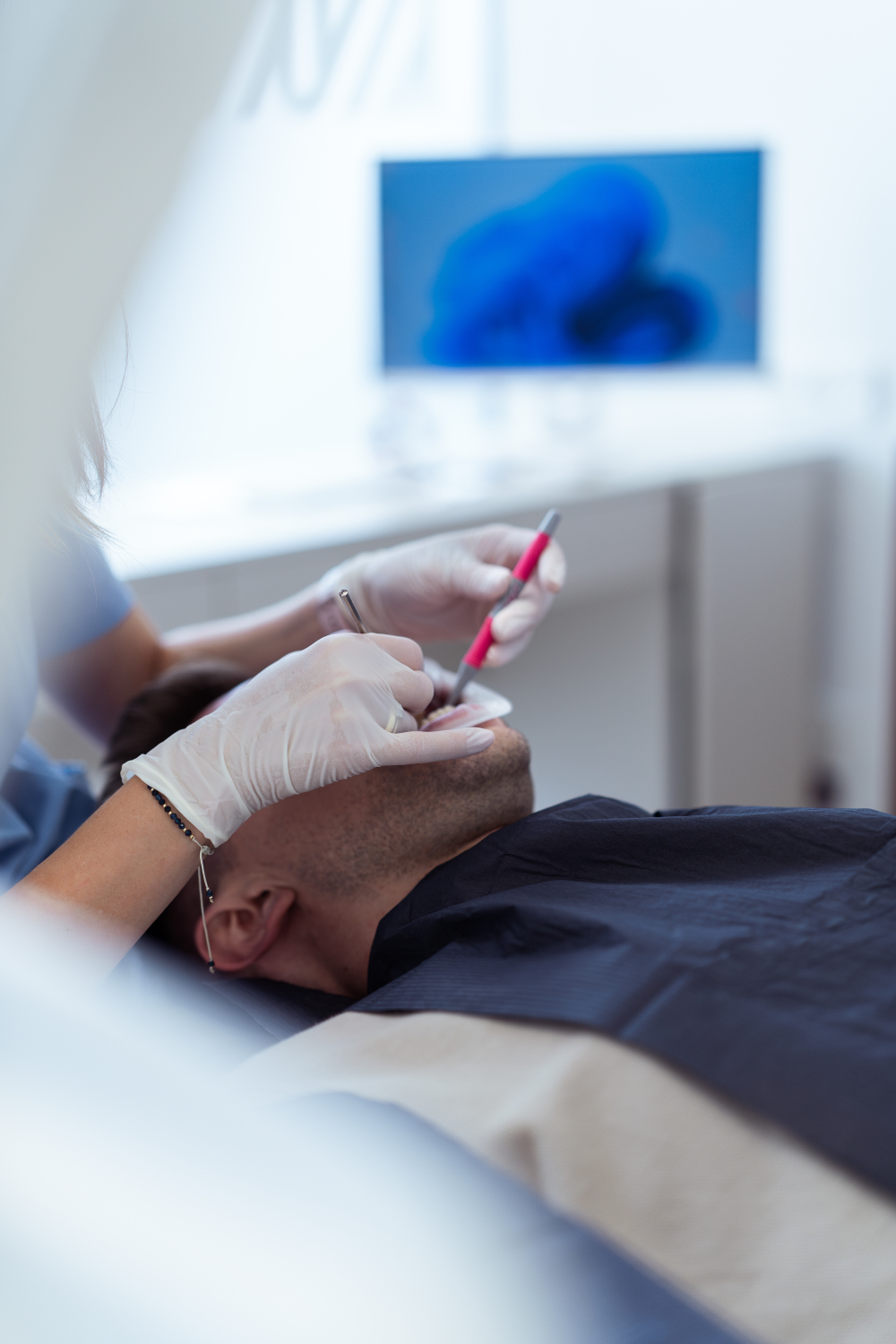
We perform deep cleaning of periodontal pockets from tartar and bacteria. The choice of method depends on the severity of the disease – procedures are safe and performed under anesthesia.
05 Scaling and sandblasting
We remove tartar and deposits, which are the main cause of gum inflammation. Regular preventive procedures allow for maintaining oral health for longer.
06 Regenerative procedures
In cases of advanced periodontal disease, we use gum grafts, bone reconstruction supporting materials, and modern microsurgical techniques.
07Oral hygiene instruction.
We show how to properly care for gums and teeth at home to prevent the recurrence of periodontal diseases and enjoy a healthy smile for years.
How does periodontal treatment look at Nowak | Wołcz Dental Clinic Warsaw Ursynów?
Every treatment begins with thorough diagnostics and an individual therapy plan. The treatment process includes:
01
Consultation and diagnostics
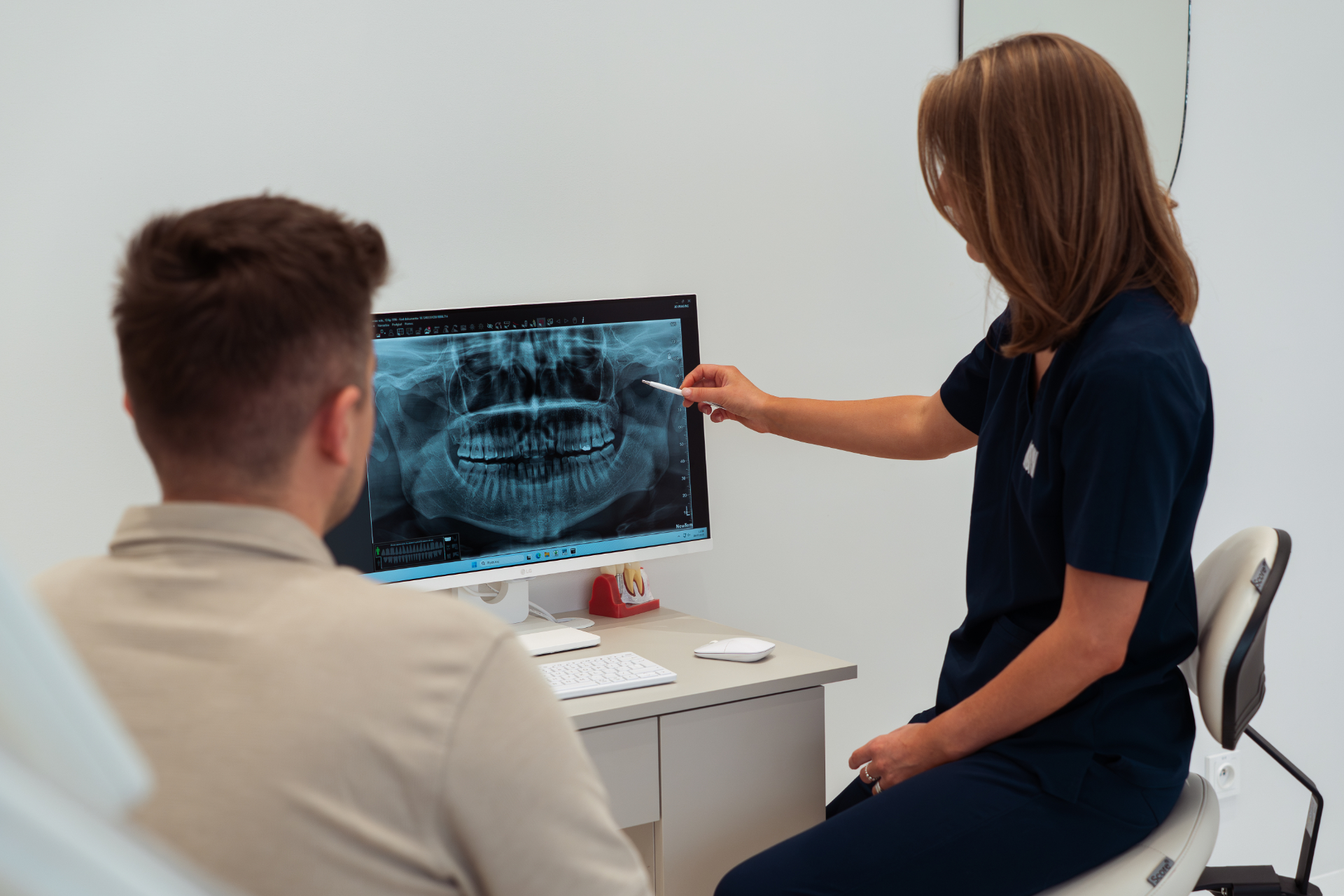
During the first visit, we conduct an interview, examine the oral cavity, and take radiological images. Based on this, we assess the condition of the gums, the depth of the pockets, and the presence of inflammatory changes.
02
Scaling and sandblasting
This is the first step in treatment and prevention – a quick, painless procedure that immediately improves the condition of the gums.
03
Curettage
In the case of deeper pockets, we perform closed or open curettage, cleaning the tooth roots and eliminating the cause of the inflammation.
04
Surgical and regenerative procedures
In advanced periodontitis, we implement gum grafts, recession coverage, bone reconstruction, or frenuloplasty, using modern materials and techniques.
05
Instruction and control
After the procedures, we teach how to care for oral hygiene and invite you for regular follow-up visits to monitor the treatment effects.
Why is it worth choosing our periodontal clinic in Warsaw?
In our clinic, we combine an individual approach, modern technologies, and the experience of doctors. We use advanced ultrasonic tools, bone substitute materials, and microsurgical techniques, which allow for lasting effects even in difficult cases. We care about your comfort – procedures are performed under anesthesia, and the entire treatment process is clear and transparent. Our goal is not only treatment but also education and support in daily oral hygiene.
Price list of periodontal treatment in our clinic
We prepare a detailed treatment plan and an individual cost estimate during the consultation.
- Control
- Consultation
- Gum contour correction
- Gummy smile correction
- Closed curettage
- Open curettage
- Gum graft
- Lip frenuloplasty
- Myofrenuloplasty
- Recession coverage
Meet our periodontist specialists
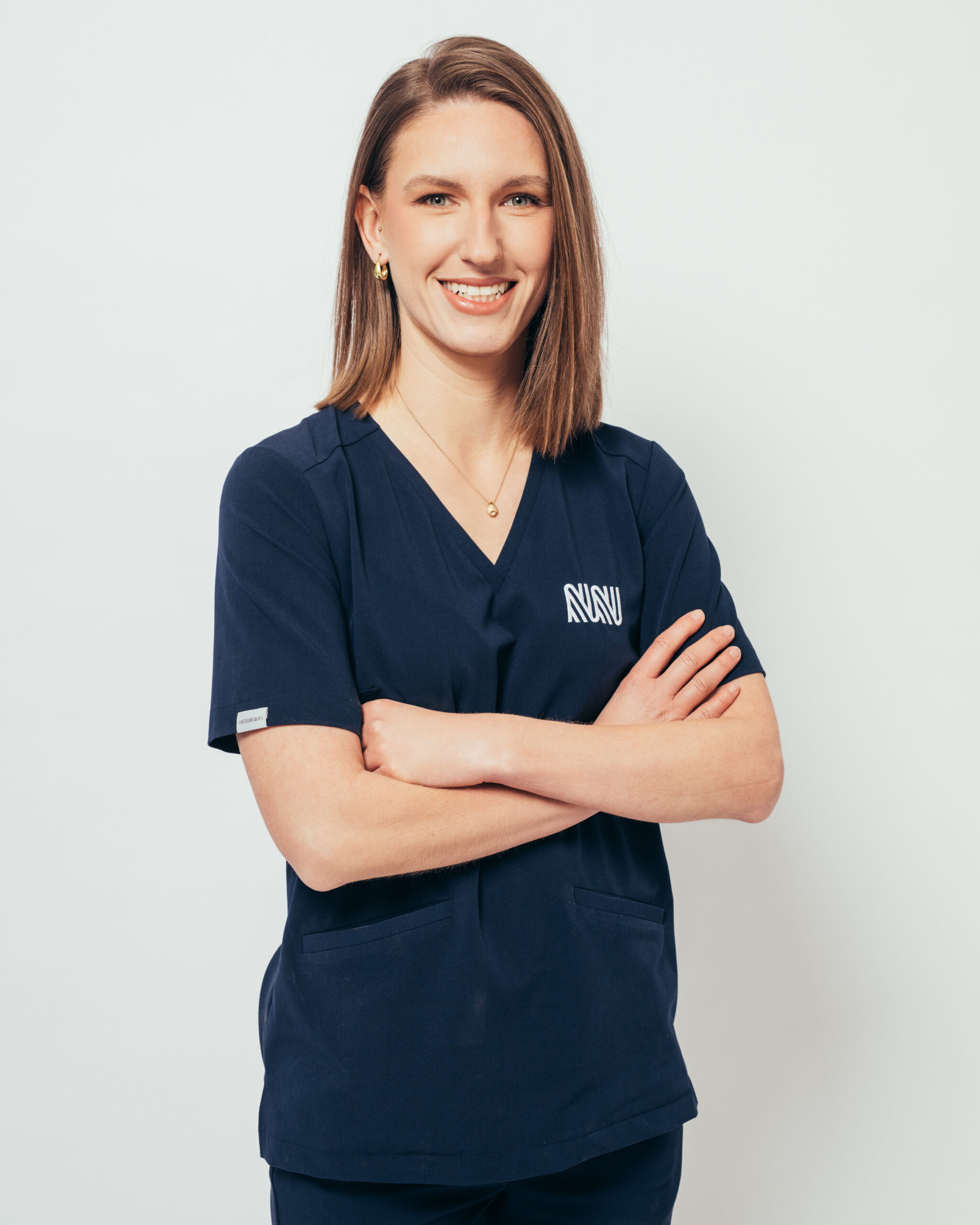
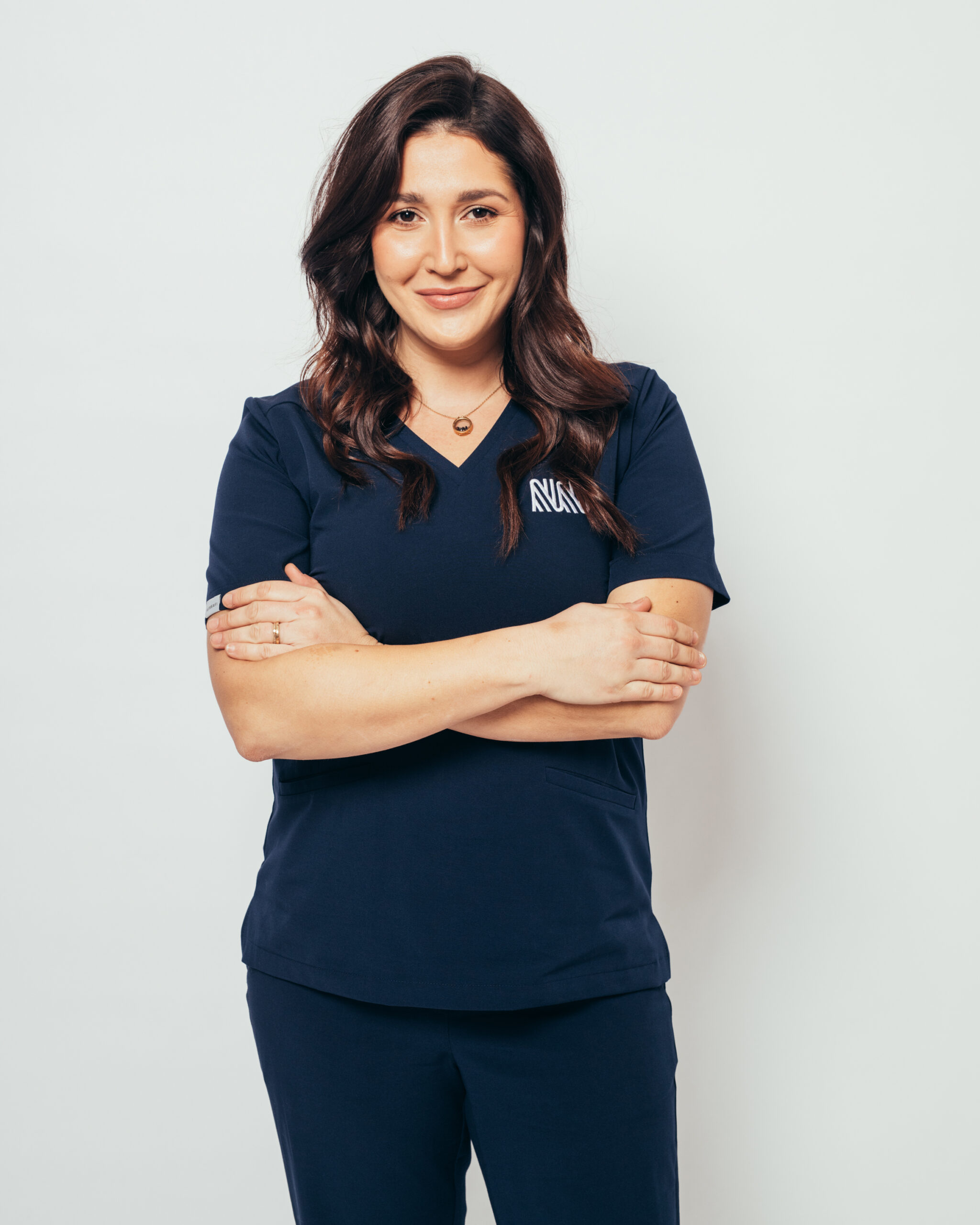
We are a team of experienced periodontists who specialize in the treatment of periodontal diseases, tissue regeneration, and microsurgery. We regularly participate in training and implement the latest global solutions to provide patients with the highest standard of care.
FAQ
Frequently asked questions about periodontics
Periodontics raises many questions – below you will find answers to the most common doubts. If you have other questions, we will be happy to clear them up during your visit.
01 What does a periodontist do?
A periodontist is a doctor specializing in the treatment of periodontal diseases – gums, bones, and tissues surrounding the teeth. They deal with both prevention and treatment of inflammation, periodontitis, and regeneration of lost tissues.
02 Is periodontal treatment painful?
We perform procedures under local anesthesia, making them comfortable and painless. After procedures, slight discomfort may appear, which quickly subsides.
03 What are the first symptoms of periodontal diseases?
Most often these are bleeding and swelling of gums, unpleasant breath odor, tooth mobility, and exposure of tooth necks. Early diagnosis and treatment allow for avoiding serious complications.
04 Can periodontitis be completely cured?
Periodontitis is a chronic disease, but thanks to modern treatment methods, its development can be stopped, lost tissues can be regenerated, and oral health can be maintained for many years. Regular check-ups and proper hygiene are key.
05 How often should you visit a periodontist?
People with periodontal diseases should visit a periodontist every 3–6 months, while for preventive purposes – once a year. Regular visits allow for early detection and effective treatment of any abnormalities.