
Wisdom tooth removal Warsaw
Wisdom tooth removal, or the extraction of a third molar, is one of the most frequently performed procedures in oral surgery. Although the prospect of visiting a surgeon causes anxiety for many people, modern dentistry guarantees safety, comfort, and a quick return to daily life. In our clinic, we provide professional care, an individual approach, and support at every stage – from the initial consultation to full recovery.
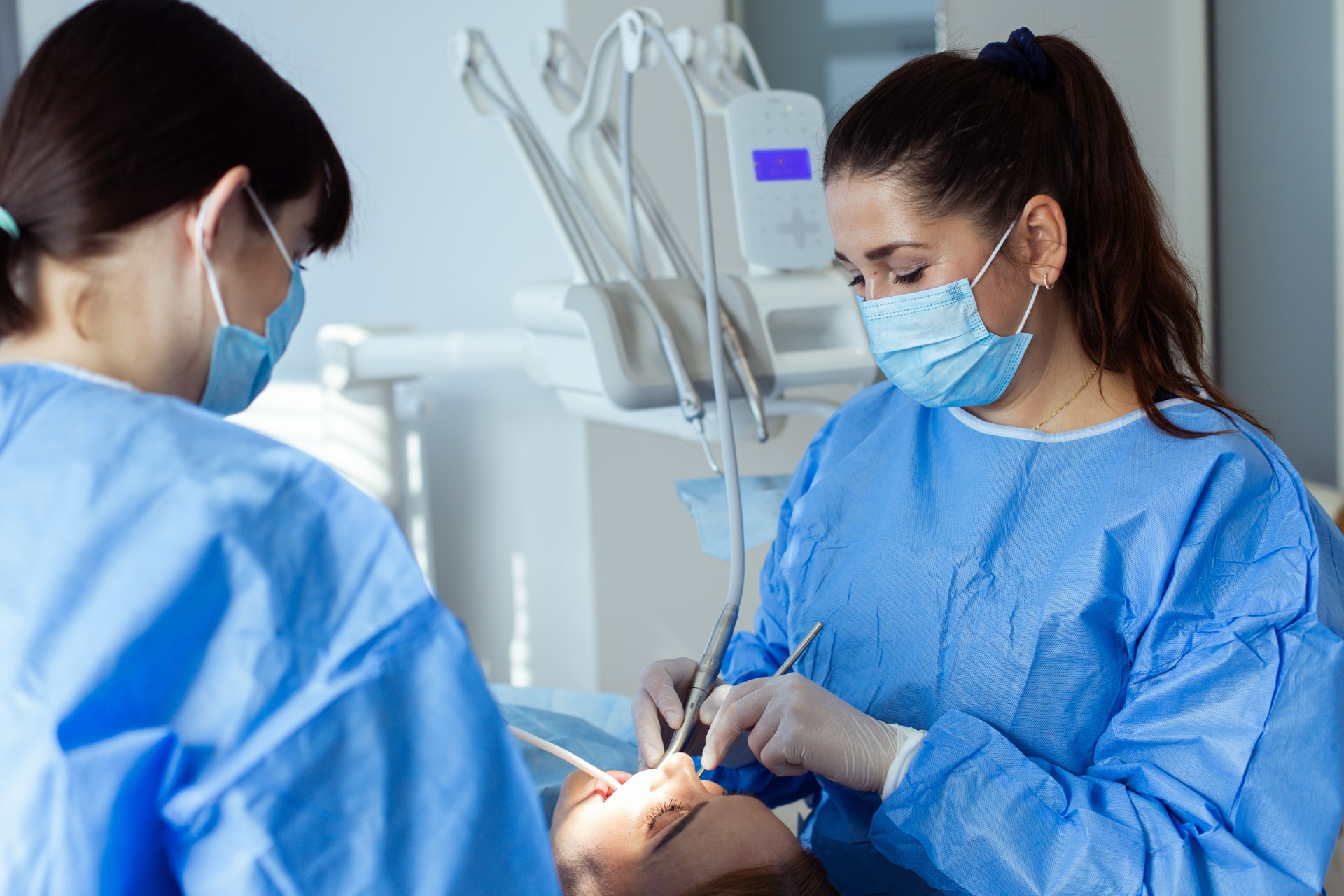
When is wisdom tooth removal necessary?
Wisdom tooth extraction is recommended when the tooth causes recurring inflammation, pain, difficulty maintaining hygiene, untreatable caries, or pressure on neighboring teeth. The procedure is also indicated in cases of impacted wisdom teeth, cyst formation, or planned orthodontic treatment when the presence of wisdom teeth hinders proper bite correction. The final decision is made by the doctor after analyzing an X-ray or CT scan and a thorough examination of the oral cavity.
How to prepare for wisdom tooth removal?
Proper preparation for wisdom tooth extraction significantly affects safety and comfort during the procedure and speeds up the healing process. It is crucial to perform the recommended imaging tests, such as a panoramic X-ray or CT scan, which allow the doctor to assess the tooth’s position and plan the surgery. Before the visit, inform the doctor about all medications taken, chronic diseases, and any allergies. It is also recommended to avoid alcohol and smoking for a few days before the procedure, and on the day of the visit, eat a light meal (unless general anesthesia is planned, in which case you must remain fasting).
01 Tests and diagnostics
Perform a panoramic X-ray or CT scan so the doctor can precisely assess the wisdom tooth’s position and plan the procedure. I would add information that the image can be taken at the clinic during the consultation stage.
02 Medical information
Inform the doctor about all medications taken, chronic diseases (especially cardiovascular diseases, diabetes), and allergies.
03 Body preparation
Avoid alcohol and cigarettes, take care of oral hygiene, eat a light meal before the procedure (if fasting is not required), and prepare for a few days of rest after the extraction.
How is the wisdom tooth removal performed?
01
Anesthesia
The wisdom tooth removal procedure at Nowak | Wołcz Dental Clinic in Ursynów is performed under local anesthesia, which ensures full comfort and no pain during the procedure.
02
Extraction
The doctor first thoroughly disinfects the treatment area and then proceeds with the extraction – in the case of erupted teeth, it is usually a simpler extraction, while impacted teeth require an incision of the gum and often dividing the tooth into smaller fragments.
03
Suturing the wound
After removing the wisdom tooth, the wound is cleaned, and sutures are applied if necessary. The entire process usually takes from several to several dozen minutes, and the patient receives ongoing information about the progress of the procedure.
04
Post-extraction care
After the procedure is completed, the doctor provides recommendations for post-operative care and schedules a follow-up visit.
What are the post-operative recommendations after wisdom tooth removal?
After the procedure, it is crucial to follow the doctor’s instructions to speed up healing and minimize the risk of complications. For the first few hours after extraction, avoid eating and drinking hot beverages, do not rinse your mouth vigorously, and do not touch the wound with your tongue. Cold compresses on the cheek, rest, and taking pain relievers as recommended by the doctor are advised. For a few days, avoid physical exertion, smoking, and alcohol, and maintain oral hygiene very gently, bypassing the treatment site. Avoid hot baths, saunas, and swimming pools.
Rest and diet
Rest for a few hours after the procedure, avoid physical exertion, and consume soft, cool foods that will not irritate the wound. Avoid foods with grains and seeds.
Oral hygiene
Brush your teeth carefully, avoiding the surgical site, do not rinse your mouth vigorously, and use antiseptic mouthwashes as recommended by your doctor.
Control and observation
Report for a follow-up visit on the scheduled date and inform your doctor immediately if severe pain, swelling, fever, or persistent bleeding occurs.
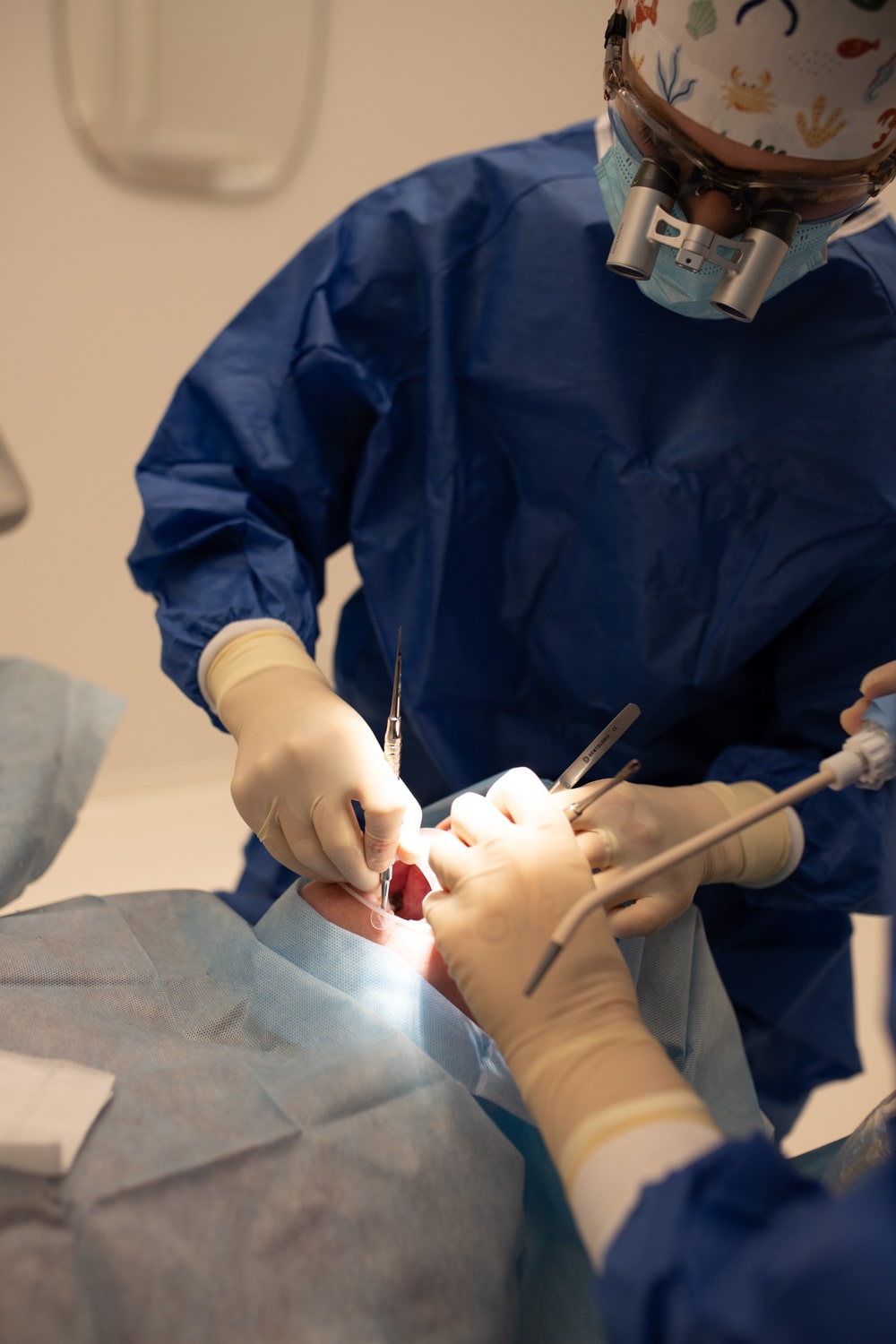
Price list for wisdom tooth extraction at our clinic in Warsaw
The cost of wisdom tooth removal at Nowak | Wołcz Dental Clinic in Ursynów depends on the difficulty level of the procedure and the position of the tooth. Prices start from 800 PLN for a simple extraction, while surgical removal of an impacted wisdom tooth costs from 1200 to 2500 PLN. Before the procedure, we always provide a detailed cost estimate and answer any questions regarding payment and the possibility of paying in installments.
- Usunięcia zęba
- Usunięcie ósemki
- Chirurgiczne usunięcie zęba zatrzymanego
- Odsłonięcie zatrzymanego zęba
Lekarze, którzy wykonują ekstrakcje ósemki
W naszej klinice na Ursynowie Zabiegi usunięcia ósemek wykonują doświadczeni chirurdzy stomatologiczni, którzy regularnie uczestniczą w szkoleniach i korzystają z najnowszych technik chirurgicznych. Każdy pacjent może liczyć na indywidualne podejście nawet w najtrudniej utawionych zębach zatrzymanych, bezpieczeństwo oraz pełne wsparcie na każdym etapie leczenia.


FAQ
Najczęściej zadawane pytania o usunięcie ósemki
Usunięcie ósemki to zabieg, który budzi wiele pytań i wątpliwości. Poniżej znajdziesz odpowiedzi na najczęściej zadawane pytania, które pomogą Ci dobrze przygotować się do ekstrakcji i spokojnie przejść przez cały proces.
01 Czy usunięcie ósemki zawsze jest konieczne?
Nie każda ósemka wymaga usunięcia. Zabieg jest wskazany, gdy ząb powoduje ból, stany zapalne, próchnicę, ucisk na sąsiednie zęby lub jest zatrzymany w kości. Ostateczną decyzję podejmuje lekarz po analizie badań obrazowych i ocenie stanu jamy ustnej.
02Jak długo trwa gojenie po usunięciu ósemki?
Gojenie trwa zwykle od kilku dni do dwóch tygodni, w zależności od rozległości zabiegu i indywidualnych predyspozycji pacjenta. Największy obrzęk i dyskomfort mogą utrzymywać się przez 2–3 dni, następnie stopniowo zmniejszają się dolegliwości a pełne zagojenie rany następuje po kilku tygodniach.
03 Czy zabieg usunięcia ósemki jest bolesny?
Ekstrakcja ósemki wykonywana jest w znieczuleniu miejscowym, dzięki czemu jest bezbolesna. Po ustąpieniu znieczulenia możliwy jest lekki ból lub obrzęk, które można skutecznie łagodzić zalecanymi lekami przeciwbólowymi i zimnymi okładami.
04 Jakie są najczęstsze powikłania po zabiegu?
Najczęstsze powikłania to obrzęk, ból, krwawienie oraz tzw. suchy zębodół. Rzadziej mogą wystąpić infekcje lub uszkodzenie sąsiednich struktur. Przestrzeganie zaleceń i współpraca z lekarzem minimalizuje ryzyko powikłań i przyspiesza powrót do zdrowia. Obrzęk i ból nie jest powikłaniem a naturalną reakcją organizmu na zabieg chirurgiczny
05 Czy po usunięciu ósemki trzeba przyjmować antybiotyk?
Antybiotyk nie jest stosowany rutynowo, chyba że istnieje ryzyko infekcji lub zabieg był szczególnie rozległy. O konieczności przyjmowania antybiotyku decyduje lekarz na podstawie indywidualnej oceny przypadku.